Every few months, someone declares “Instagram Face” dead, usually followed by a slideshow of celebrities who supposedly got the memo. It’s an entertaining conversation, and maybe they’re right, but whether that narrative is actually true is almost beside the point.
What matters is that patient preferences are evolving. In 2026, consultations sound different than they used to just a few years ago, and that shift is reshaping everything from treatment plans and injector training to marketing language and even the skills practices need to stay competitive.
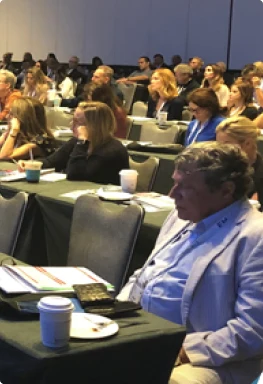
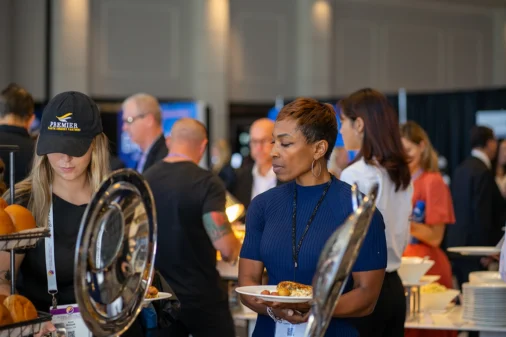
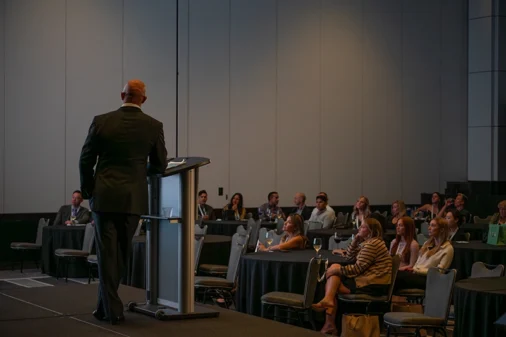
The conversations happening at the Global Aesthetics Conference (GAC) bring the evolution of patient preferences into focus.
At GAC 2026, surgeons, injectors and practice leaders share how they are responding to a patient population whose priorities have changed significantly over the past five years. Understanding where those expectations came from, and where they’re headed next, has become an important part of staying current in aesthetic medicine.
The Rise of Instagram Face
Social media didn’t invent vanity, but in the mid-2010s, it did give us a very specific aesthetic, over and over again, until that aesthetic started to look like the ideal.
Thanks to user-friendly photo editing software, one-tap filters and the normalization of treatments that can refine your features in a single afternoon with no downtime, “Instagram face” was soon everywhere. The term itself became popular around 2019, describing a homogenous look that reflected an algorithm’s idea of attractiveness: impossibly smooth skin, plump lips, high cheekbones, catlike eyes and long doe lashes. Anything that didn’t fit the template was reshaped or minimized, creating a generic aesthetic optimized for a 6-inch phone screen.
For a while, that was the ask. Patients brought in filtered photos and said, “Give me this.” Injectors and surgeons who could deliver that look built entire practices around it.
But aesthetic trends built on replication rarely age well, and revision consults signaled the changing tides. Faces that looked good mid-scroll had an uncanny quality in real life, causing many patients to come back a year or two later, wanting to look like themselves again.
The Fall of Instagram Face
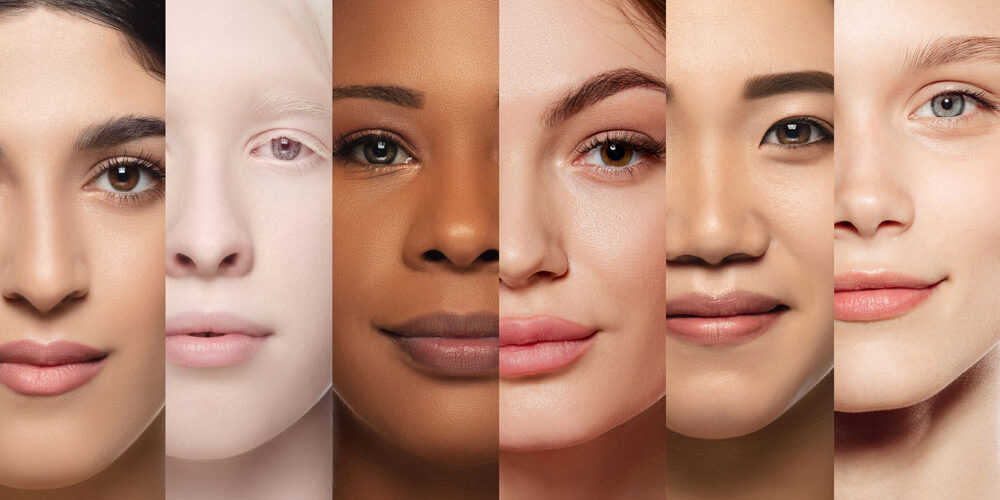
Those return visits were the first signs of a growing rejection of “sameness.” The market was beginning to move away from a recognizable template and back toward results that felt individual, and frankly, believable.
This isn’t just anecdotal. The American Academy of Facial Plastic and Reconstructive Surgery released its 2025 Annual Survey, which confirmed a defining shift away from the exaggerated look toward something more deliberate.
Overwhelmingly, patients today are more discerning, favoring subtle, strategic approaches that produce natural-looking outcomes.
They’re also bringing more context into the consultation room, framing their concerns around the changes they’re actually seeing and looking for treatments that address them. Nearly half (45%) of all facial plastic surgeons reported that more women are referencing menopause or perimenopause as a reason for seeking treatment, up from 28 percent the year before.
The conversation has turned from achieving a prescribed aesthetic to understanding what has changed, why it matters to the patient and how treatment can respond in a way that feels specific to them.
Natural Takes More Skill, Not Less
A subtle, undetectable result is harder to achieve than a dramatic one, and a growing demand for natural-looking outcomes has raised the technical standard across aesthetic medicine. Increasingly, patients are paying for judgment as much as they are for intervention.
They expect providers to know when to treat, when to wait, what to combine, what to leave alone and how to sequence care around their anatomy and long-term goals. Natural-looking results are built from hundreds of these small decisions. How much product belongs here? Should this area be treated at all? Is volume the issue, or is it tissue descent?
As the clinical standard changes, the way practices present their work has to change with it.
If your marketing still leans on dramatic before-and-afters, it may be actively working against the patients you’re trying to attract now. Today’s consultations increasingly begin with a specific concern, not a celebrity photo, and patients want expertise that feels thoughtful and personalized. They expect your messaging to communicate that before they ever book.
How Do Practices Keep Up?
The most effective way to keep pace with changing aesthetic trends is through direct exposure to how other experts think and adapt.
At GAC, that may mean watching a surgeon explain the anatomical decisions behind a deep plane facelift, hearing how another has refined a fat grafting technique, or sitting in on a discussion about the evolving role of exosomes and peptide therapy.
Across four days, GAC brings facial plastic surgery, plastic surgery, dermatology and oculoplastic surgery into the same educational environment. That cross-specialty structure gives attendees a broader view of how the field is changing, because modern aesthetic care rarely belongs to a single discipline. The most sophisticated treatment plans draw from surgery, injectables, regenerative medicine and skin health simultaneously.
The Less Invasive Strategies track explores biostimulators, regenerative medicine and the treatment approaches shaping more subtle outcomes. The Surgical Strategies track focuses on techniques and decision-making in the OR. Running alongside both, the Mastering the Business of Aesthetics track examines how those same changes should influence consultation language, patient education, positioning and growth.
Every session offers a chance to see how experienced clinicians and practice leaders are responding, then returning to your own practice with a clearer sense of what to refine next.
Register for GAC 2026 & Be Part of What’s Next
Patients moved on from “Instagram Face.” Have you?
GAC 2026 brings together the surgeons, injectors and practice owners redefining what natural, individualized results look like now. Across four days of live surgery, clinical education and business strategy, you’ll see how experienced professionals are refining technique, strengthening judgment and responding to a patient population with changing expectations.
Register today and become part of the conversations shaping the new standards of aesthetic medicine.